
A compassionate classroom values the emotional well-being of children as much as their academic progress. It is a place where behaviour is understood as communication, and where every child feels recognised, understood and that they belong.
When we give children the tools to name and regulate their emotions, and when we welcome every language and culture, we begin to truly hear the hearts of our students.
Pathway 1: Read the theory
Practising compassionate pedagogy in the classroom means recognising and valuing the emotional well-being of students as much as their academic progress. The non-verbal communication of emotions taps into fundamental human needs: to be recognised, to belong and to be understood.
According to Maslow's hierarchy of needs, these are essential for psychological well-being (Maslow, 1943). Ashdown and Bernard (2012) suggest that giving children the means to express their feelings without speaking can be a vital classroom management strategy. By providing a system where children can indicate their emotional state, educators can address shifts in well-being that may impact learning. It acknowledges that children, like adults, experience a spectrum of emotions throughout the day, and that they need to feel seen and heard in their educational environment. Behaviour, after all, is communication.
Recognising that even adults find it challenging to articulate their feelings, it is crucial to teach children about the source of their emotions. Perry and Szalavitz (2006) emphasise the role of the amygdala in emotional regulation. This diminutive, almond-shaped cluster of neurons orchestrates our primal fight, flight or freeze responses, perpetually scanning for potential threats. The amygdala does not discriminate between physical peril and emotional distress, and in the classroom what constitutes a threat can be surprisingly varied and deeply personal to each child.
A fractions lesson that overwhelms a child still grappling with yesterday's concept, the sudden loss of a scooter at playtime, an unnoticed moment on the friendship bench, the disappointment of not being the teacher's helper, a toppled Lego masterpiece, yellow socks that clash with a Spiderman T-shirt, a missed goodbye kiss, the departure of visiting grandparents, or tension at home: each of these, seemingly minor to adults, can profoundly affect a child's emotional state. Teaching children about the amygdala demystifies their experiences of stress or anxiety and helps them begin to develop strategies for self-regulation. It lets us shift from merely reacting to behaviours to understanding their underlying causes.
"Behaviour is communication."— J. Da Silva
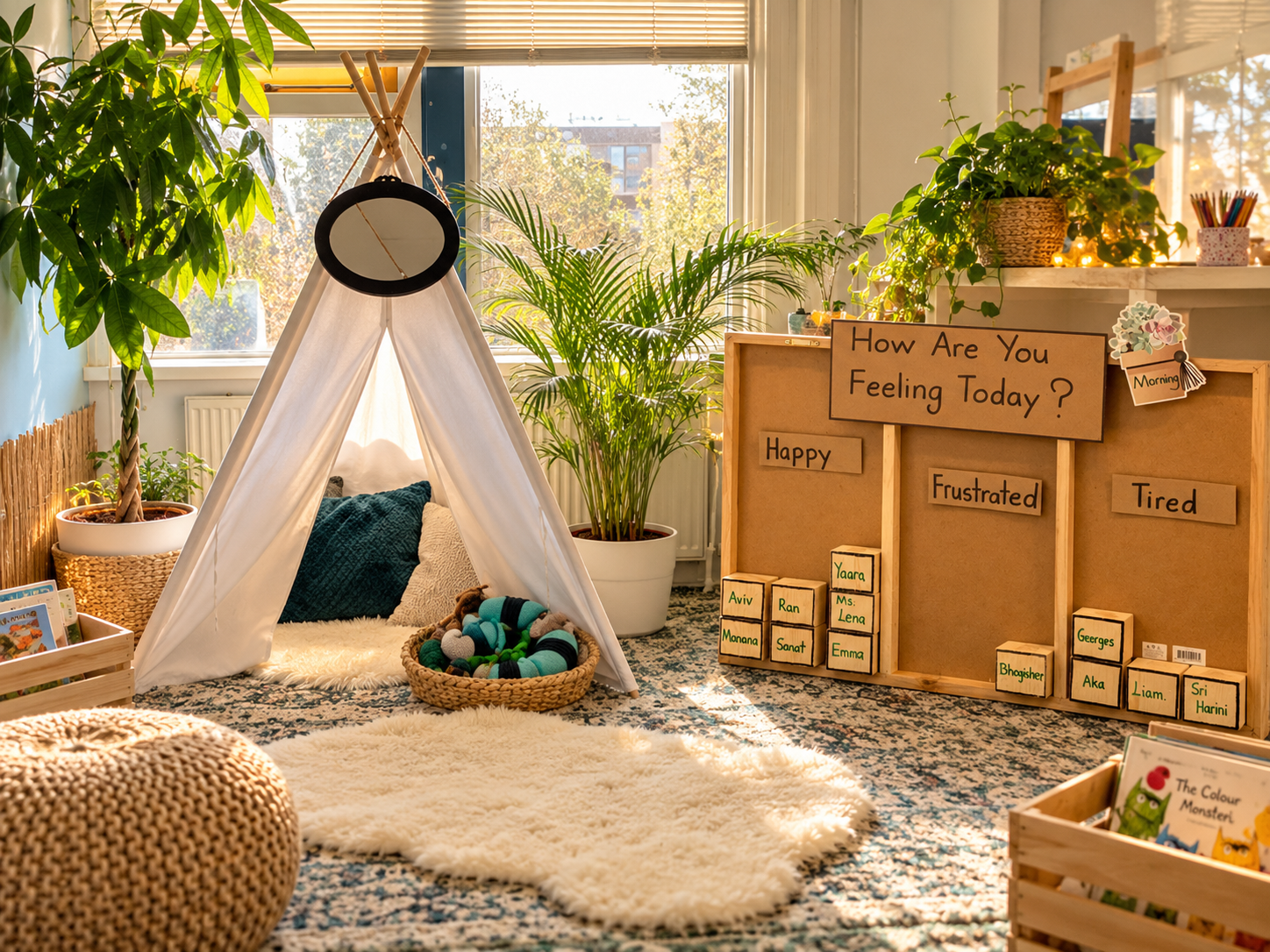
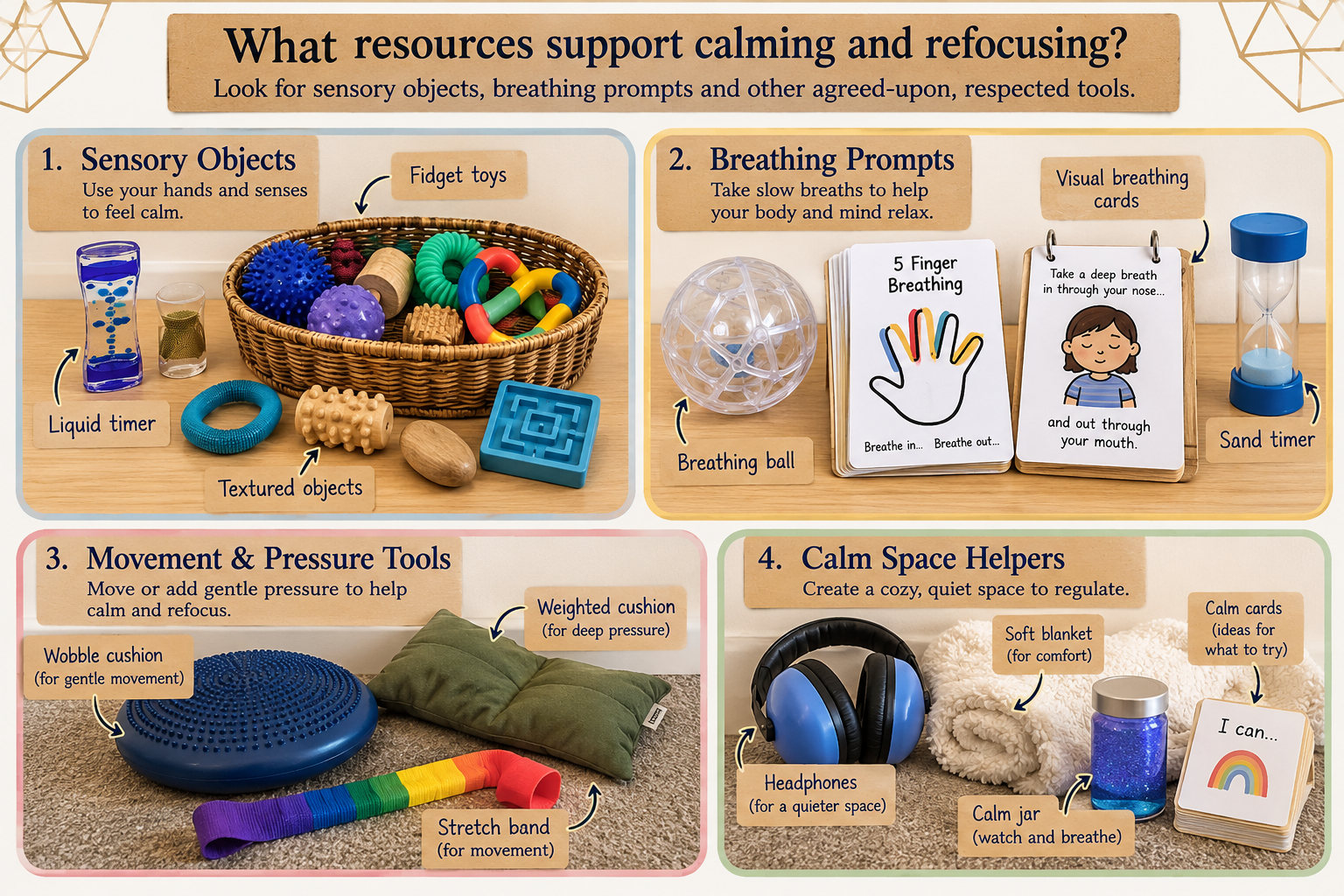
An amygdala den is a space designed for personal reflection and emotional regulation: a quiet area where a child can retreat, reflect and regain control over their emotions. It is created uniquely for each class and age group, equipped with resources such as sensory objects, stress balls, calming visual aids, or an area to practise mindfulness and deep breathing. These resources are not random tools; they are an integral part of the classroom agreements and culture, understood and respected by all. This matters because self-regulation is not something children simply possess. Shanker (2016) describes it as the nervous system's response to stress, a capacity that grows slowly over time, and both Perry (Perry & Szalavitz, 2006) and Delahooke (2019) remind us that children first learn to regulate through co-regulation, by borrowing the calm of a trusted adult, long before they can manage big feelings alone. The den gives that calm a home.
Crucially, the den must be introduced as a positive feature of the learning environment, never as a timeout space, chair or area. When the amygdala sounds its alarm, what Siegel and Bryson (2011) memorably call "flipping your lid", the thinking, reasoning part of the brain goes briefly offline, so no amount of discussion or correction will land in that moment. Naming the feeling, rather than reasoning with it, is what helps a child settle; it is why Siegel and Bryson urge us to "name it to tame it", and why Perry's sequence insists we regulate and relate before we ever reason. Stop and reflect honestly for a moment: who is a timeout really for? In most cases you will realise it is the adult who needs a minute of peace, not the child.
Introduce a tag-in and tag-out system with your team, so that you are never engaging with a child while feeling anger or frustration; a dysregulated adult cannot co-regulate a dysregulated child. The autonomy children are given to decide when they are ready to return is empowering: it teaches them to listen to their own emotional states and to take responsibility for their readiness to learn. That autonomy also matters for the practices the den offers. Large-scale research led by the University of Oxford, the MYRIAD programme (Kuyken et al., 2022), found that well-being practices such as mindfulness are no universal quick fix: they help most when they are genuinely chosen, skilfully taught and woven into a supportive culture, and do little, or can even unsettle some children, when imposed or bolted on. The den honours exactly this, a positive, voluntary space the class owns, not a sanction a child is sent to. When a child chooses to enter the den, it is a non-verbal cue that they need some time and space, and disruptive behaviours, read as communication rather than defiance (Delahooke, 2019), become opportunities for learning and growth rather than mere disciplinary issues.
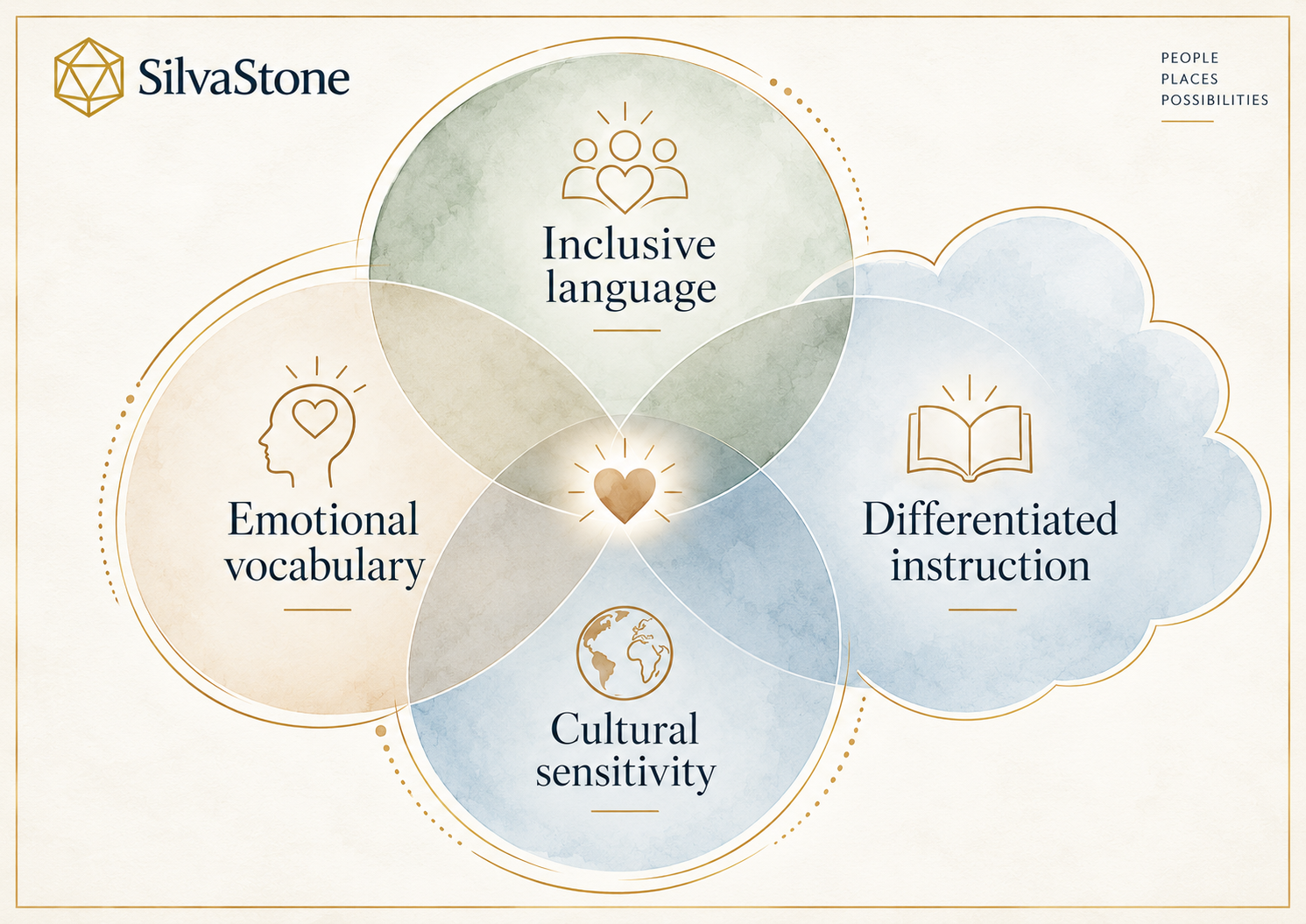
The Oxford Dictionary (2024) defines compassion as a profound emotional response that arises from witnessing another's suffering, coupled with the urge to alleviate it. This notion of compassion is not passive; it is a call to action, a catalyst for creating a supportive and inclusive space within the classroom. Compassion manifests through language in many ways: inclusive language practices that give every child an equal opportunity to engage; differentiated instruction tailored to various language proficiencies; cultural sensitivity that weaves diverse narratives into the curriculum; and an emotional vocabulary that gives children the words to articulate their feelings.
Active listening is how we action what we believe about the importance of student voice. Each student's voice is heard and respected, reinforcing that their thoughts and opinions matter. A compassionate classroom is one where language is both a bridge and a bond, connecting students from diverse backgrounds and ensuring that the distress of not being understood is met with strategies and support, so every child can share in the rich tapestry of classroom learning.
Imagine waking up tomorrow and having to practise your profession in a completely different language. A daunting idea. Why, then, do schools not allow non-native speakers to integrate with a little more understanding and compassion? Language-friendly schools embrace the linguistic diversity of their students and staff, creating an environment where all languages are valued. The founders of the Language Friendly School, Dr. Ellen-Rose Cambell and Dr. Emmanuelle Le Pichon-Vorstman, note that multilingualism has become the norm, and scientific evidence shows that most children learn more effectively and understand concepts faster when they learn in their mother tongue, their conceptually dominant language.
Honouring a child's language honours their rights. The UNICEF Convention on the Rights of the Child includes the right to quality education (Article 28), the right to develop one's talents and to respect others and their differences (Article 29), and the right to one's own culture, language and religion (Article 30). The benefits of a multilingual environment are well documented: it affirms identity and belonging, strengthens cognitive flexibility and executive function (Bialystok, 2009), supports academic achievement (Cummins, 2000), builds cultural competence and empathy (Garcia & Wei, 2014), enhances communication skills (Grosjean, 2010) and opens future opportunities (Crystal, 2003). A compassionate classroom does not ask children to leave part of their identity at the door; it invites them to bring their whole selves into the learning process.
Drawing on: Maslow (1943) · Ashdown & Bernard (2012) · Perry & Szalavitz (2006) · Oxford Dictionary (2024) · UNICEF Convention on the Rights of the Child · Bialystok (2009) · Cummins (2000) · Garcia & Wei (2014) · Grosjean (2010) · Crystal (2003).

.jpg)
Check your understanding
1. According to Maslow (1943), which fundamental needs does the non-verbal expression of emotions help to meet?
2. Why teach children about the amygdala (Perry & Szalavitz, 2006)?
3. What is an amygdala den, and what is it not?
4. How does the Oxford Dictionary (2024) definition frame compassion?
5. Why is welcoming a child's home language a compassionate, rights-honouring practice?
Pathway 2: See it in practice
Look closely at the spaces, tools and displays that help children feel seen, heard and that they belong.
Compassion is visible in the environment. Explore the examples below and notice how children are invited to name their feelings, regulate their emotions, and see their languages and cultures reflected around them.
Click on an image to enlarge it and study it carefully.
Emotional literacy and belonging
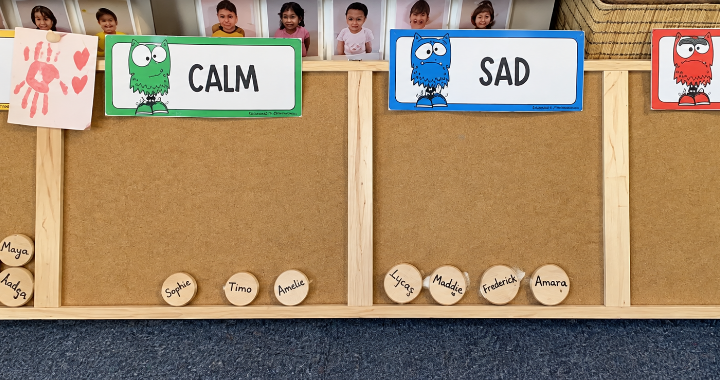
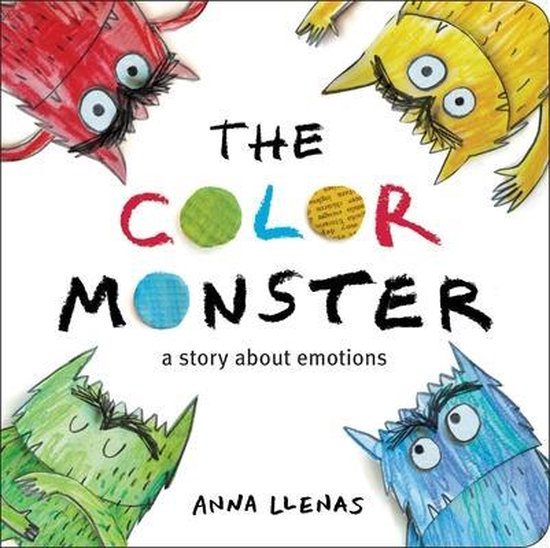
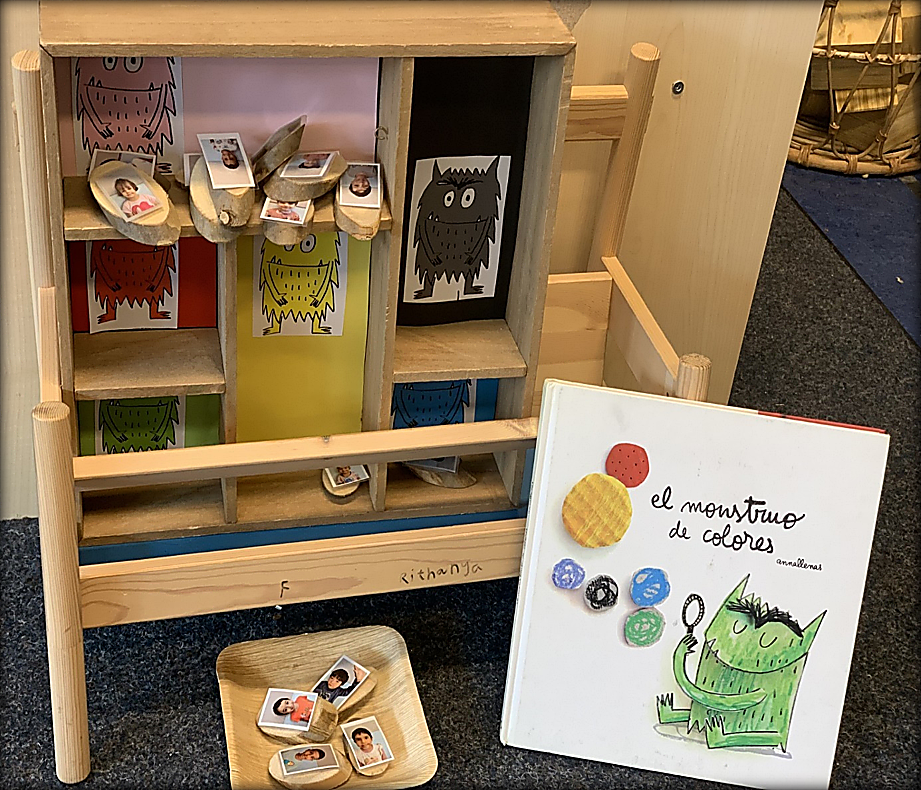
A non-verbal emotion check-in, inspired by "The Colour Monster", lets children show how they feel without words.
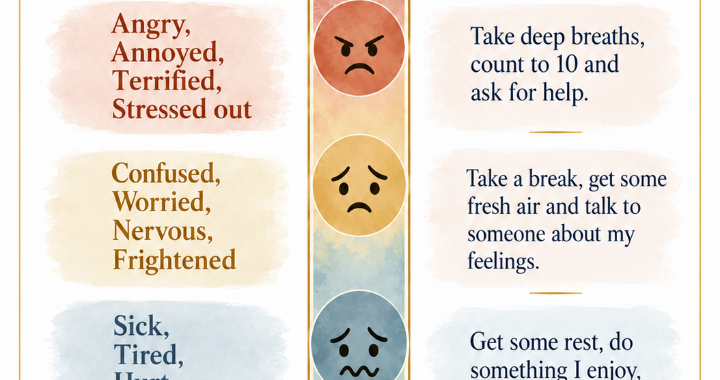
Children place a photograph at the level they feel their emotions are at throughout the day.
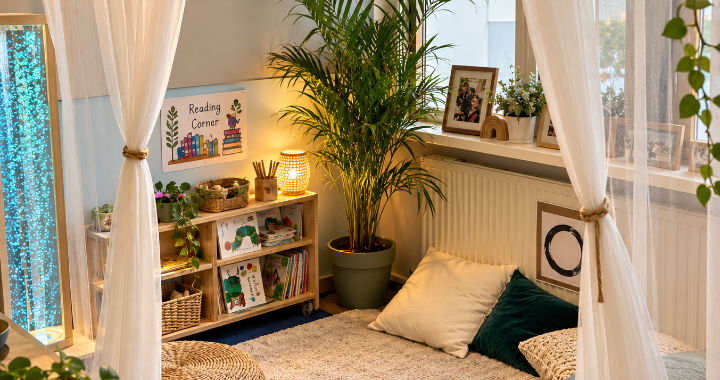
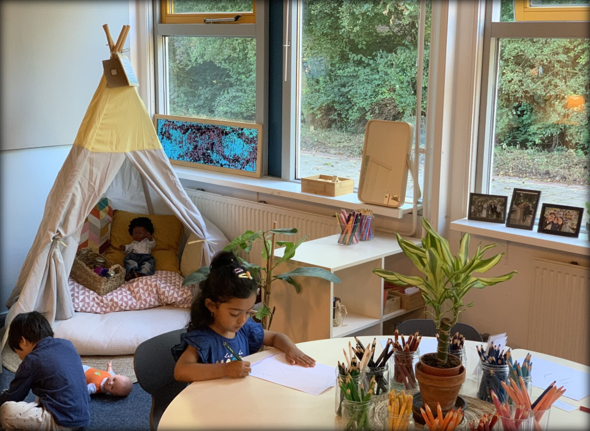
An amygdala den: a calm, curated space for self-regulation, introduced as a positive part of the room.
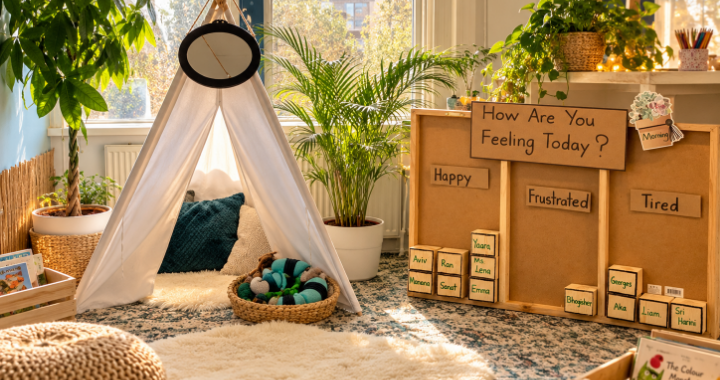
Calming resources, sensory objects, stress balls and breathing prompts, understood and respected by all.
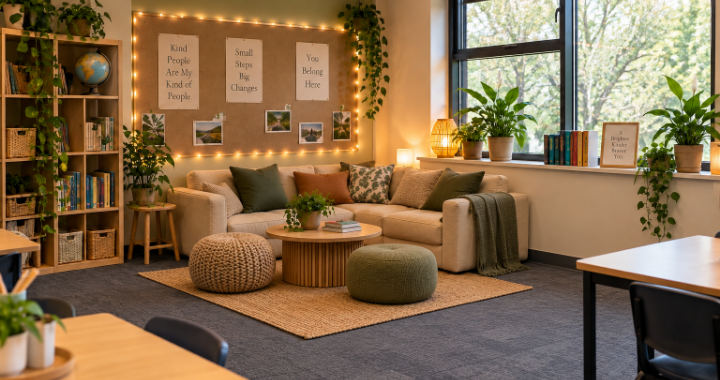
An amygdala den can be reshaped through the year and serve multiple purposes for older groups.
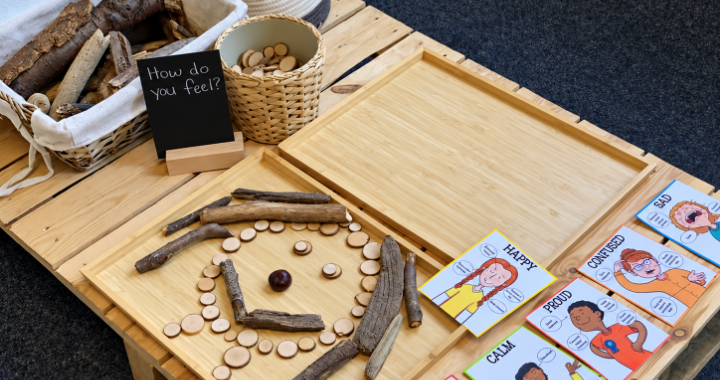
Loose Parts centre to encourage children to share non-verbally how they are feeling through the day.
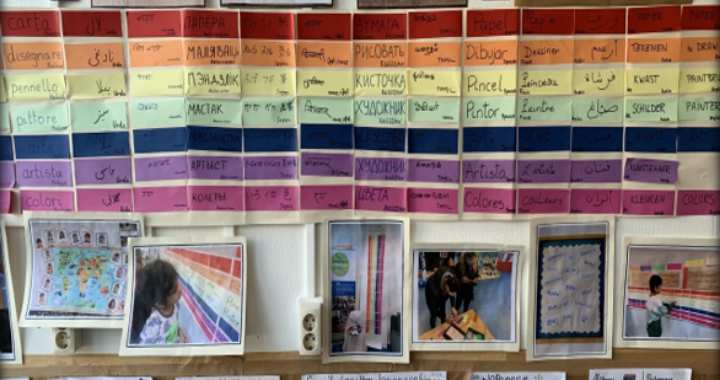
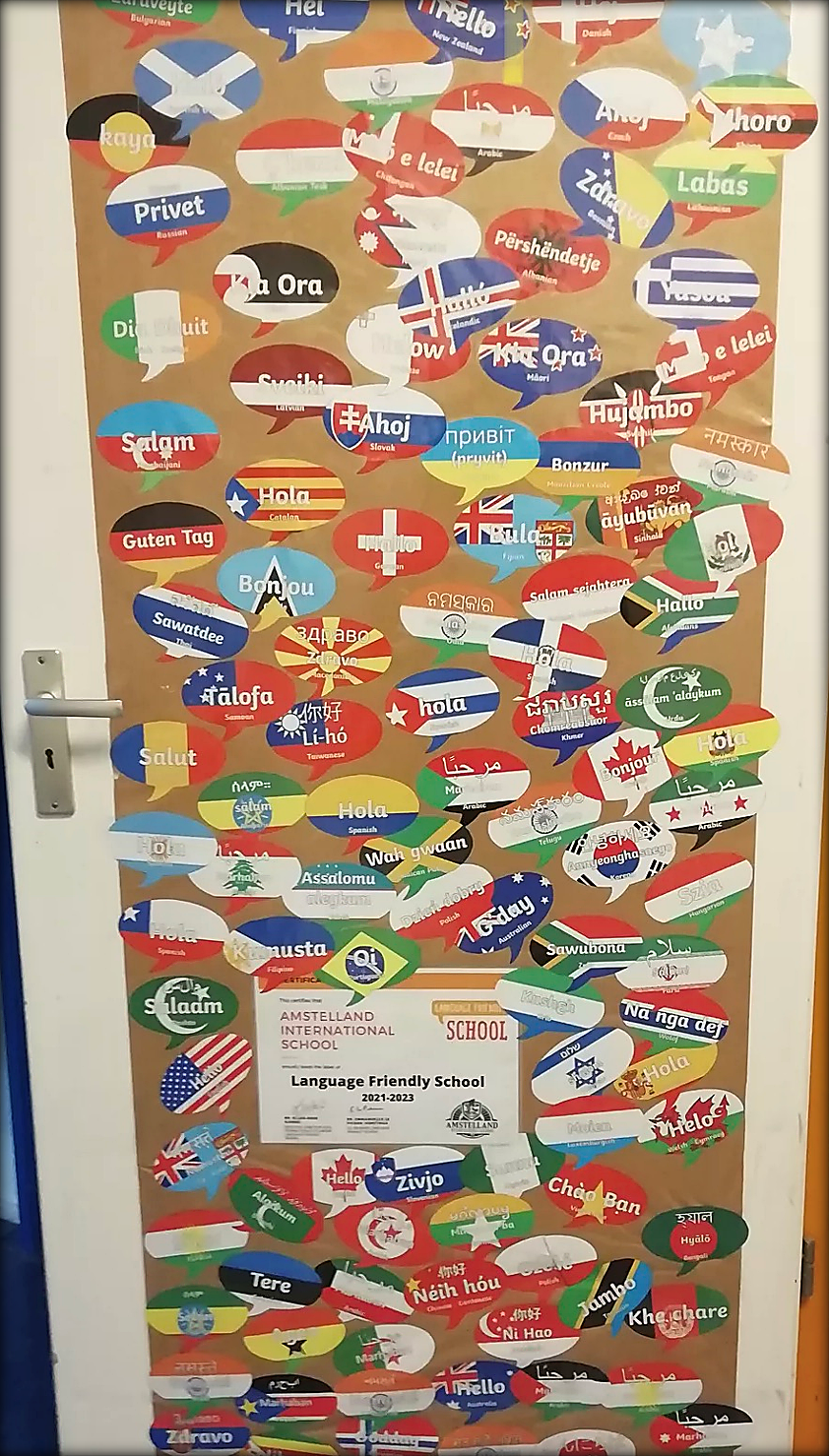
An interactive language wall where children add new words they learn in different languages.
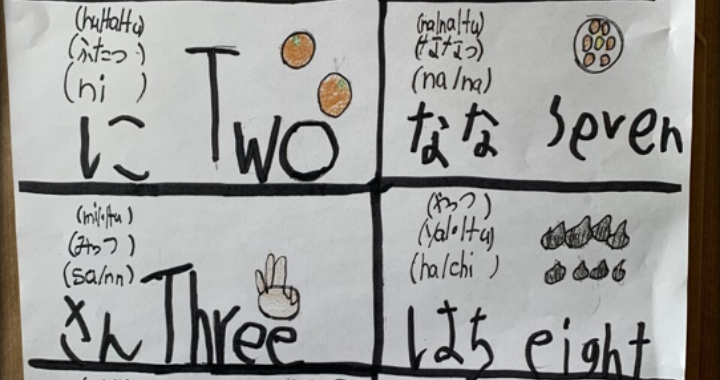
Encourage peers supporting one another and translate the vocabulary that will be covered in the next numeracy lesson together as a group project.

Children are invited to share their thinking in any language. Translation of their writing is the educators responsibility and an opportunity to teach vocabulary.
"You are present in their lives for their benefit."— J. Da Silva
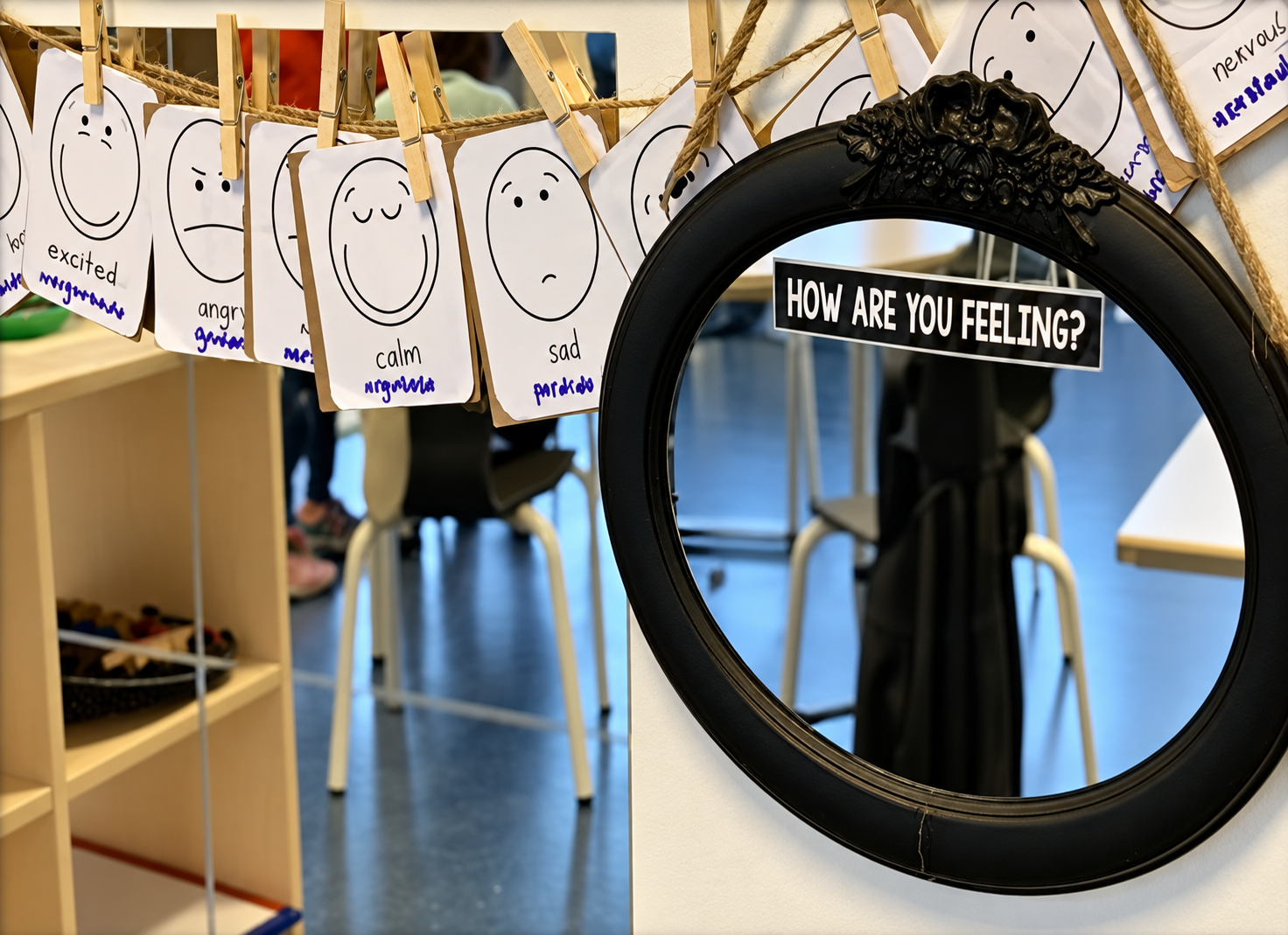
Let the environment do some of the teaching. A compassionate classroom speaks before anyone does, telling children that their feelings and their languages belong here. As you design yours, keep these in mind.
Check your understanding
1. What is the purpose of a non-verbal emotion check-in, such as one inspired by "The Colour Monster"?
2. What makes the resources in an amygdala den effective?
3. How can you tell a space is an amygdala den rather than a timeout area?
4. Why display bilingual labels and a language wall around the room?
5. Children are invited to share their thinking in any language. Whose responsibility is it to translate their writing?
Pathway 4: Try it yourself
This week, take compassion from principle into practice in two connected ways: teach children the emotional literacy they need to understand and regulate their feelings, and make your classroom genuinely language-friendly, so every child can think, contribute, belong and learn from day one.
Emotional literacy is not simply asking children how they feel. Like reading, it has to be taught: explicitly, patiently and often. Children need the vocabulary, the models and the repeated practice to recognise what is happening inside them, before we can fairly expect them to manage it. So we teach the brain and body first, then the words, then the strategies.
Introduce the amygdala in simple language: a small, almond-shaped part of the brain, a kind of alarm, that fires when we feel a strong emotion and gets the body ready to fight, run or freeze. It cannot always tell the difference between real danger and a toppled Lego tower, and when it sounds, the thinking part of the brain goes quiet. That is why a child cannot simply "calm down" or be reasoned with in the moment. Our task is to help them feel the alarm, name it, and learn what settles it.
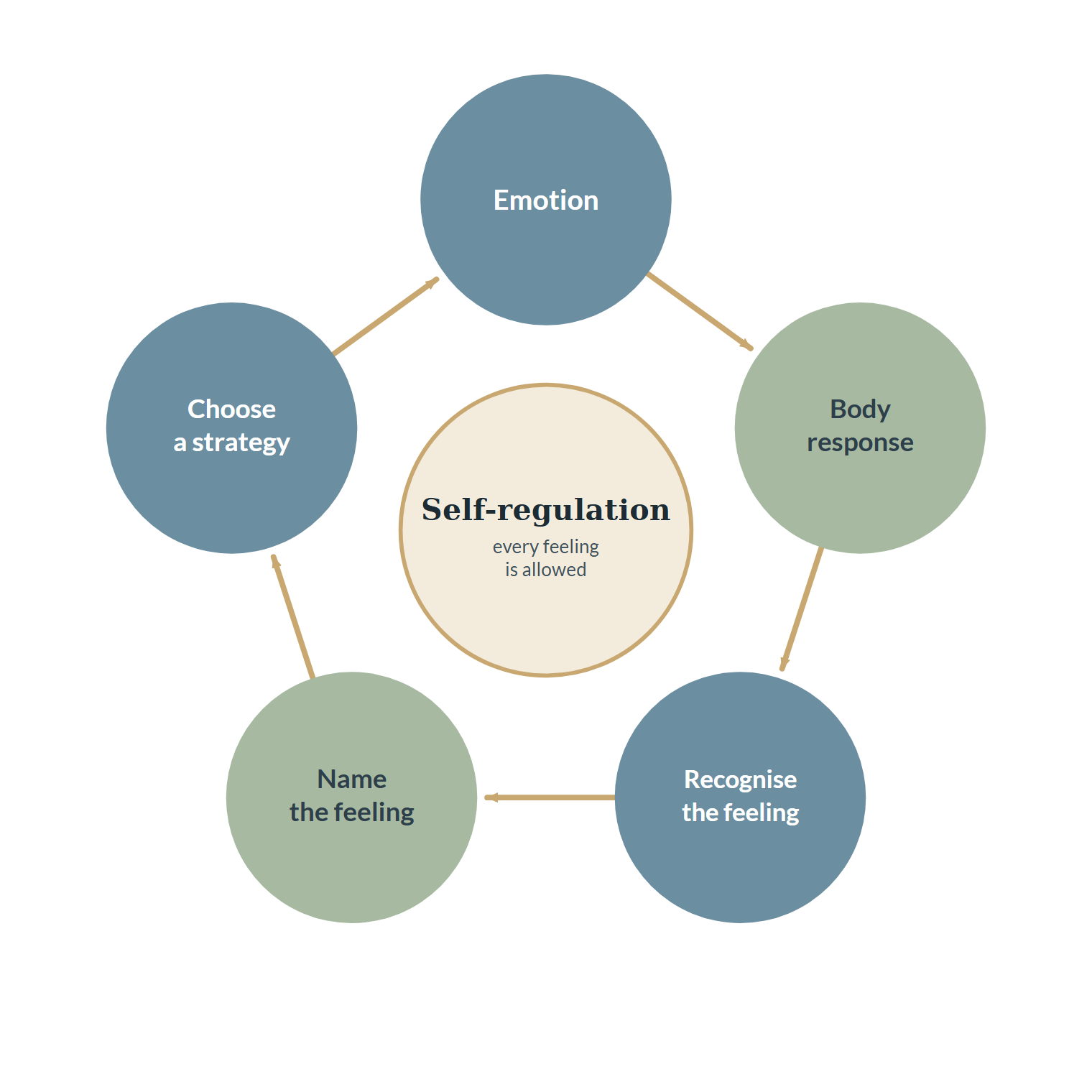
Design and introduce an amygdala den: a calm, chosen space where children can retreat, reflect and regain control of their emotions. Tailor it to your class and age group, and introduce it as a positive, everyday feature of the room, never as a timeout.
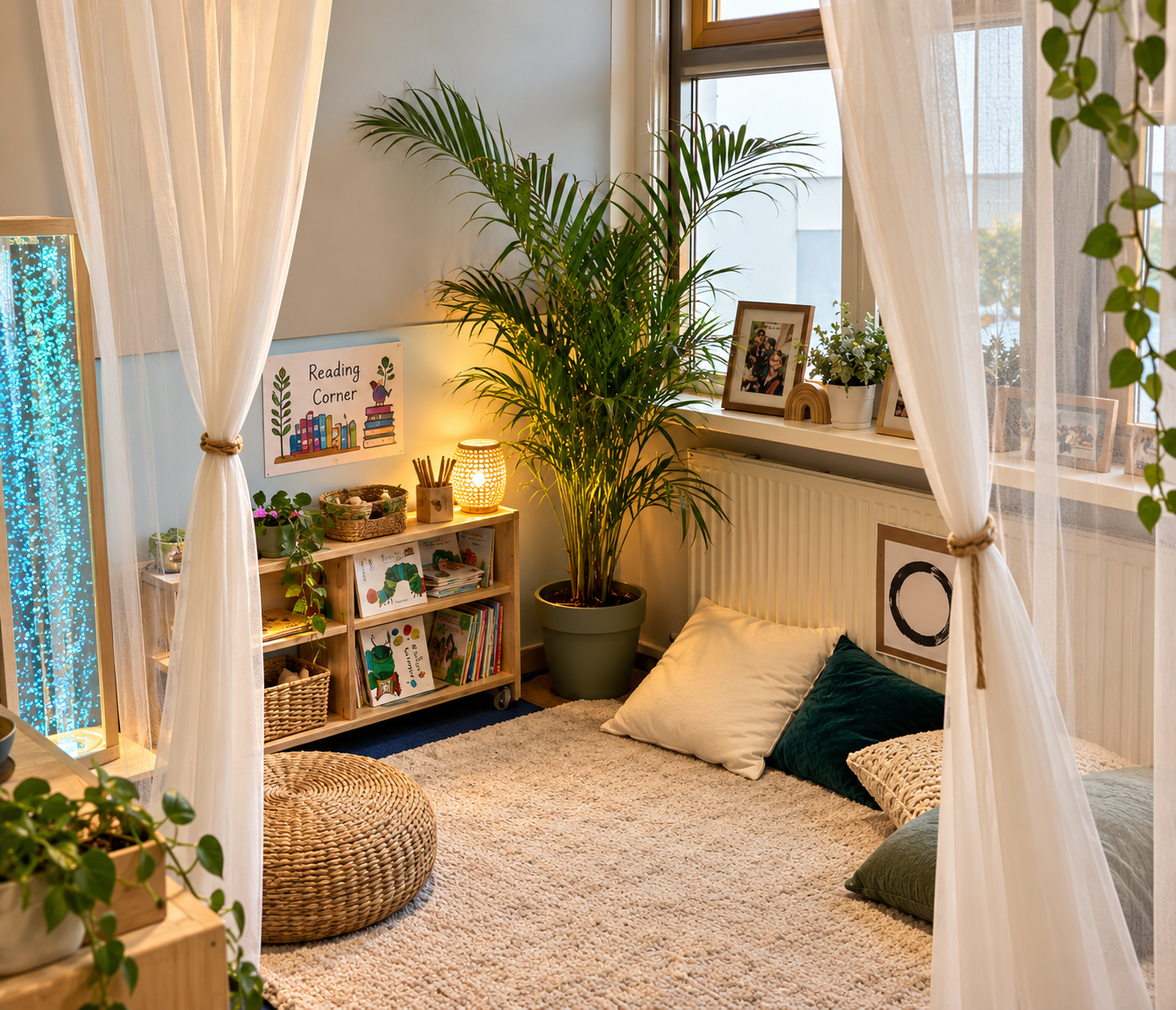
Figure: Teaching children self-regulatory skills is a fundamental right every child deserves to attain.
Set up the den with resources that genuinely help your children calm and refocus, such as sensory objects, a stress ball, calming visual aids and a prompt for deep breathing. Make these part of your shared classroom agreements so their use is understood and respected by everyone. Then agree a tag-in and tag-out system with your team, so that a child in distress is always met by a calm, regulated adult, never by your own frustration.
.png)
Build the skill across three connected lessons, moving from understanding, to language, to strategy. The full planner, with teacher modelling, discussion questions, activities, misconceptions to listen for and reflection, is ready to download below.
A printable, teacher-facing planner for the three-lesson arc: brain-and-body language, naming emotions, and self-regulation strategies, each with modelling, activities, discussion questions, misconceptions and reflection.
"A child should not have to wait until they are fluent in the language of instruction before they can think, contribute, belong and learn."— J. Da Silva, Module 9: The Compassionate Classroom (2026)
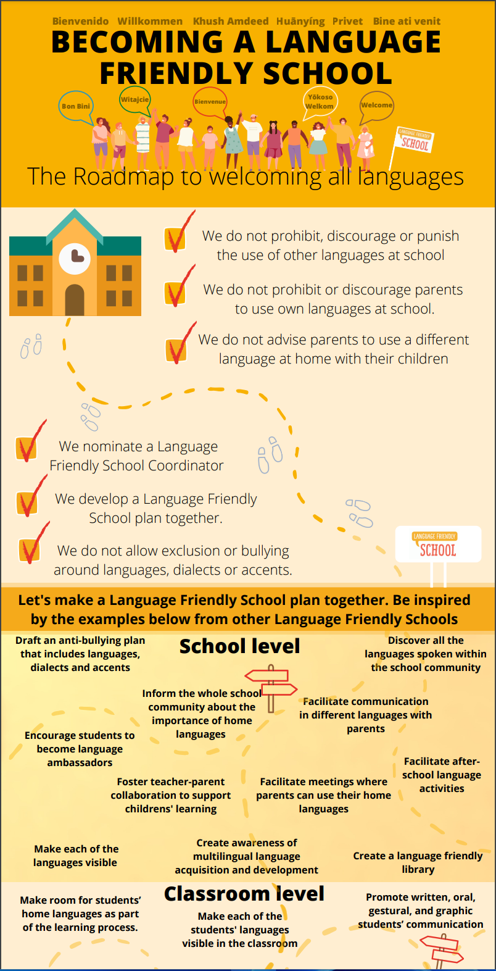
A language-friendly classroom treats a child's home language as an asset, not a barrier. Fluency in the language of instruction is something children grow into over time; thinking, belonging and learning cannot wait that long. When we let children reason and contribute in their strongest language while they acquire the new one, we protect both their learning and their dignity. Using more than one language to make meaning, known as translanguaging, is a legitimate and powerful learning strategy, not a problem to be corrected.
Make a personalised key ring for each newly arrived child, with simple pictograms for everyday school needs. Each card pairs the child's home language with the language of instruction and the pictogram, so the child can communicate at once while building vocabulary.
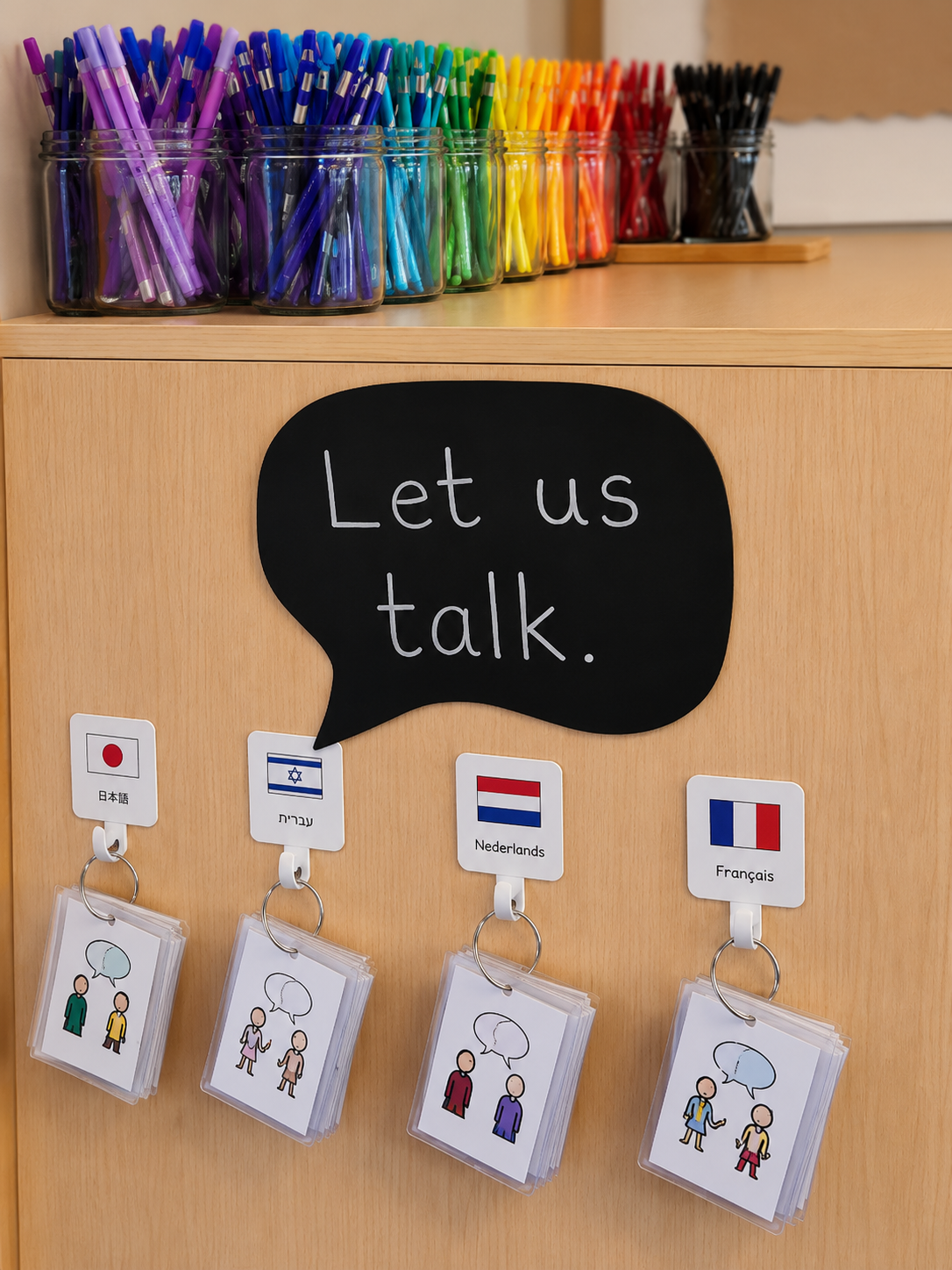
Make your own set of communication key rings. Download and print the cards, then assemble them in six steps.
Let's Talk cards — English
Let's Talk cards — French
Let's Talk cards — Dutch
Let's Talk cards — German
Let's Talk cards — Spanish
Let's Talk cards — Portuguese
Let's Talk cards — Arabic
Let's Talk cards — Hindi
Let's Talk cards — Tamil
Let's Talk cards — Japanese
Let's Talk cards — Korean
Let's Talk cards — Chinese
Let's Talk cards — Russian
Let's Talk cards — Ukrainian
Let's Talk cards — Swedish
Let's Talk cards — Polish
Let's Talk cards — Hebrew
Let's Talk cards — Italian
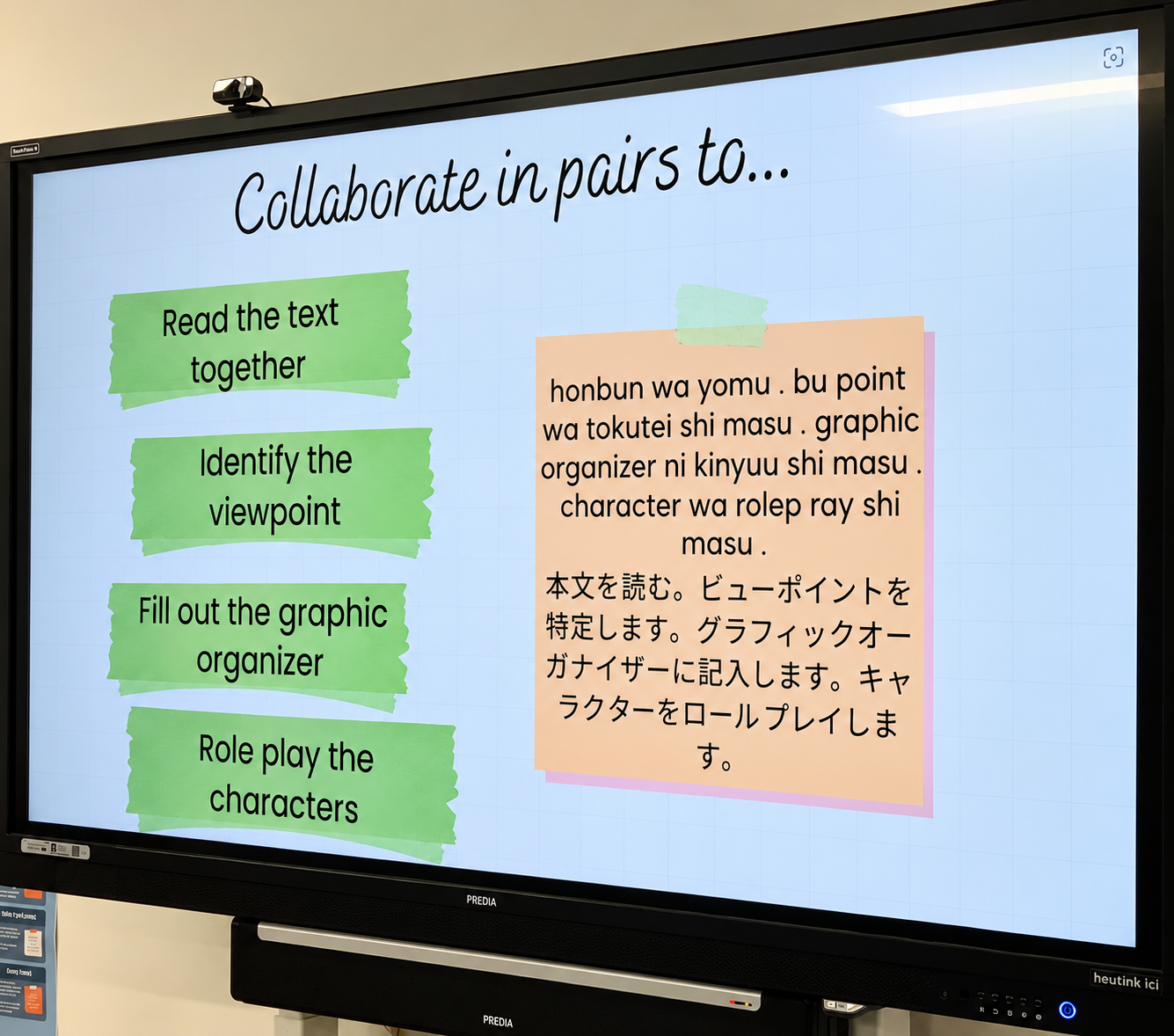
Translate lesson instructions, key vocabulary and learning intentions so children take part in meaningful learning immediately. Technology is here to open access, never to replace human relationships.
A printable, five-stage planner for welcoming a new multilingual learner: from welcome and belonging, to immediate access, voice and contribution, building the new language, and family partnership.
A printable two-page model: the four elements of a compassionate classroom (inclusive language, differentiated instruction, cultural sensitivity and emotional vocabulary) held together by compassion at the heart, with a description of each element.
Check your understanding
1. When you introduce the amygdala den, what matters most?
2. Who decides when a child is ready to return from the den?
3. Why agree a tag-in and tag-out system with your team?
4. Which set of resources best suits an amygdala den?
5. A child melts down after their Lego tower is knocked over. Using compassionate pedagogy, what is the most purposeful response?
Pathway 5: Classroom management
Compassion becomes classroom management when it is embedded in the daily routine: non-verbal check-ins, a den instead of a timeout, and simple language-friendly practices that help every child feel seen, heard and that they belong.
A language-friendly classroom is one where every student feels understood, whatever their linguistic background, and where language is a bridge rather than a barrier. Translate the main teaching instructions for children still learning the instructional language, offer visual aids and scaffolding, and build in peer support, so every child can participate meaningfully. These are small, immediate changes with a lasting message: every child's background is valued, and every voice is important.
"A Language Friendly School is a compassionate school."— J. Da Silva
Rules are handed down; agreements are made together. In a compassionate classroom we replace a list of teacher-imposed rules with a small set of agreements the children help to write. The difference is ownership. When a child has helped decide how we treat one another, how we care for our space, and how we put things right when they go wrong, the agreement becomes theirs to uphold, not simply the adult's to enforce. This quiet shift, from compliance to shared responsibility, is the heart of compassionate classroom management.
Co-create the agreements early in the year, in the children's own words, and keep them few, positive and visible. Revisit them whenever something changes or goes wrong, not as a tool for blame but as a shared reference: "What did we agree, and how do we get back to it?" The den, the daily check-ins and the language-friendly practices all live inside these agreements, understood and respected by all.
Classroom goals can then grow out of the agreements, giving the class something shared to work towards. Because the goals are rooted in words the children chose, every child can see their part in building the kind of classroom they said they wanted.
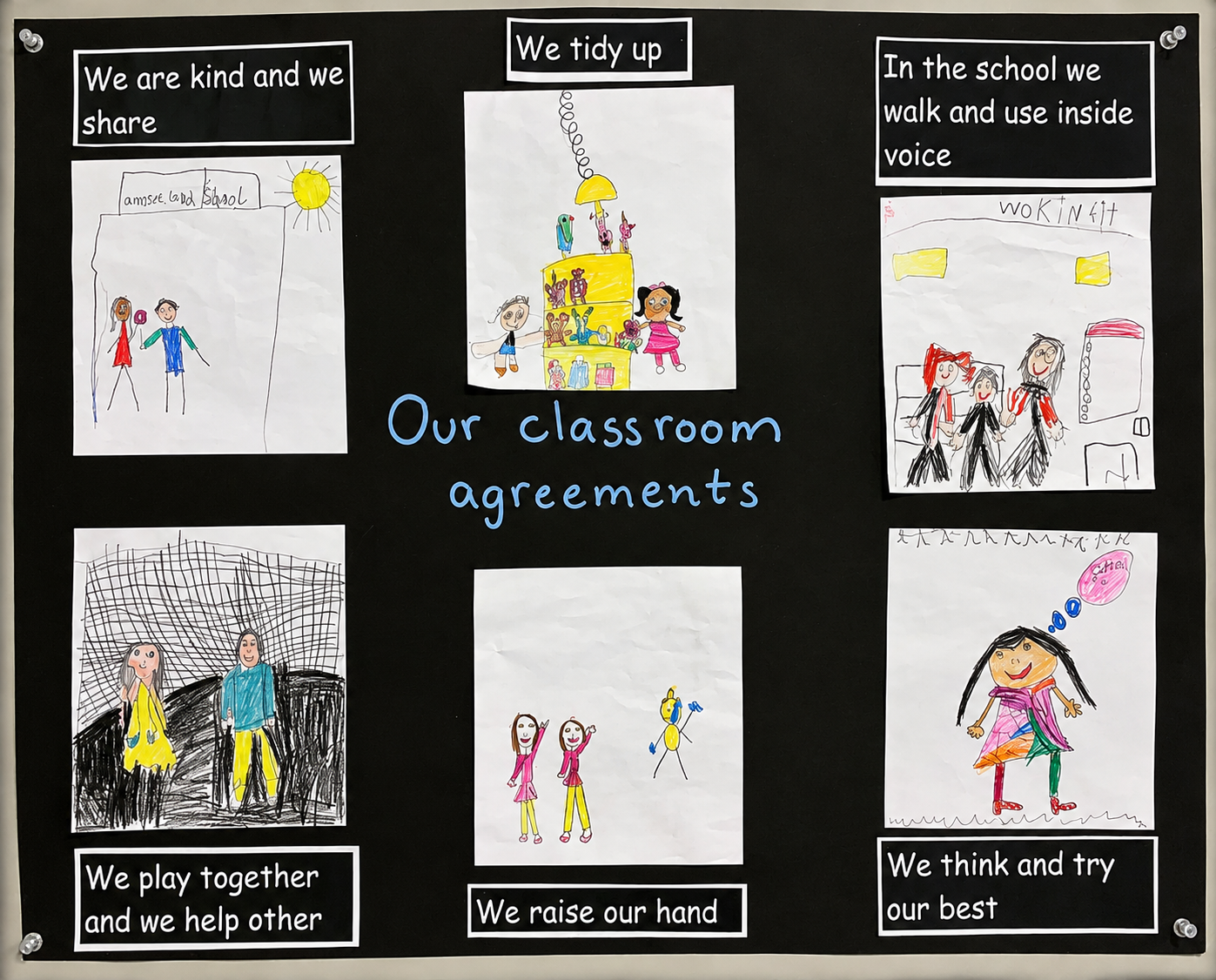
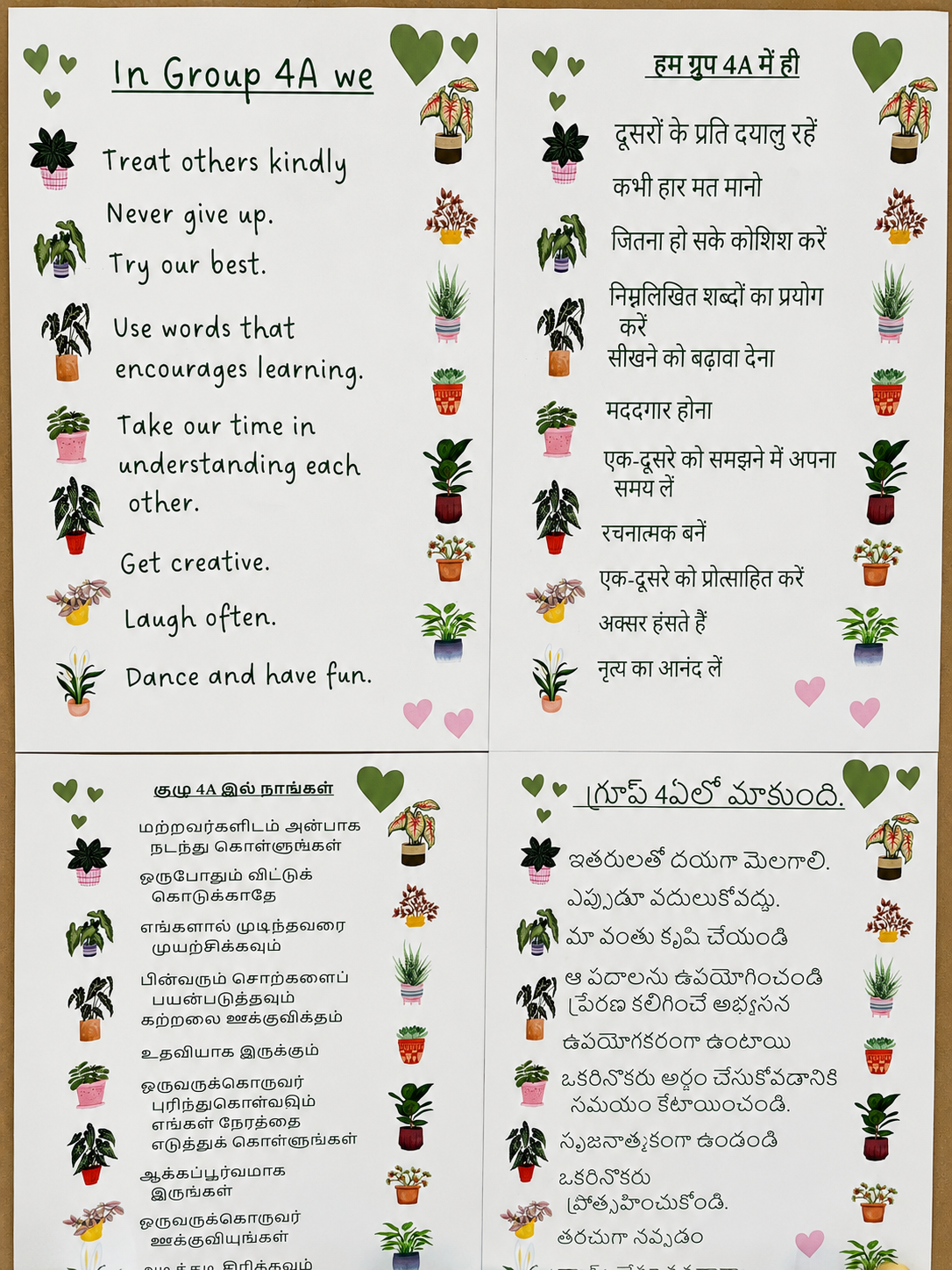
When agreements are co-created with the children and offered in their home languages, they belong to everyone, and shape the goals the class works towards together.
1. Reading behaviour as communication
Think of a recent behaviour. Ask what feeling or need it may have been communicating.
Quick note
What was this behaviour trying to tell me, and how could I respond with understanding?
2. A den, not a timeout
Plan how you will introduce and protect a self-regulation space as a positive, chosen part of the room.
Quick note
How will I make sure the den is never used, or seen, as a punishment?
3. Every language belongs
Choose one or two language-friendly practices you will embed into your daily routine.
Quick note
Which practices will I start with, so every child sees their language valued?
A printable two-page model: the four elements of a compassionate classroom (inclusive language, differentiated instruction, cultural sensitivity and emotional vocabulary) held together by compassion at the heart, with a description of each element.
Check your understanding
1. When should lesson instructions be translated for a child?
2. What does a buddy system offer in a language-friendly classroom?
3. What makes classroom agreements different from a list of rules?
4. A compassionate classroom asks children to…
5. Which best captures compassionate classroom management?